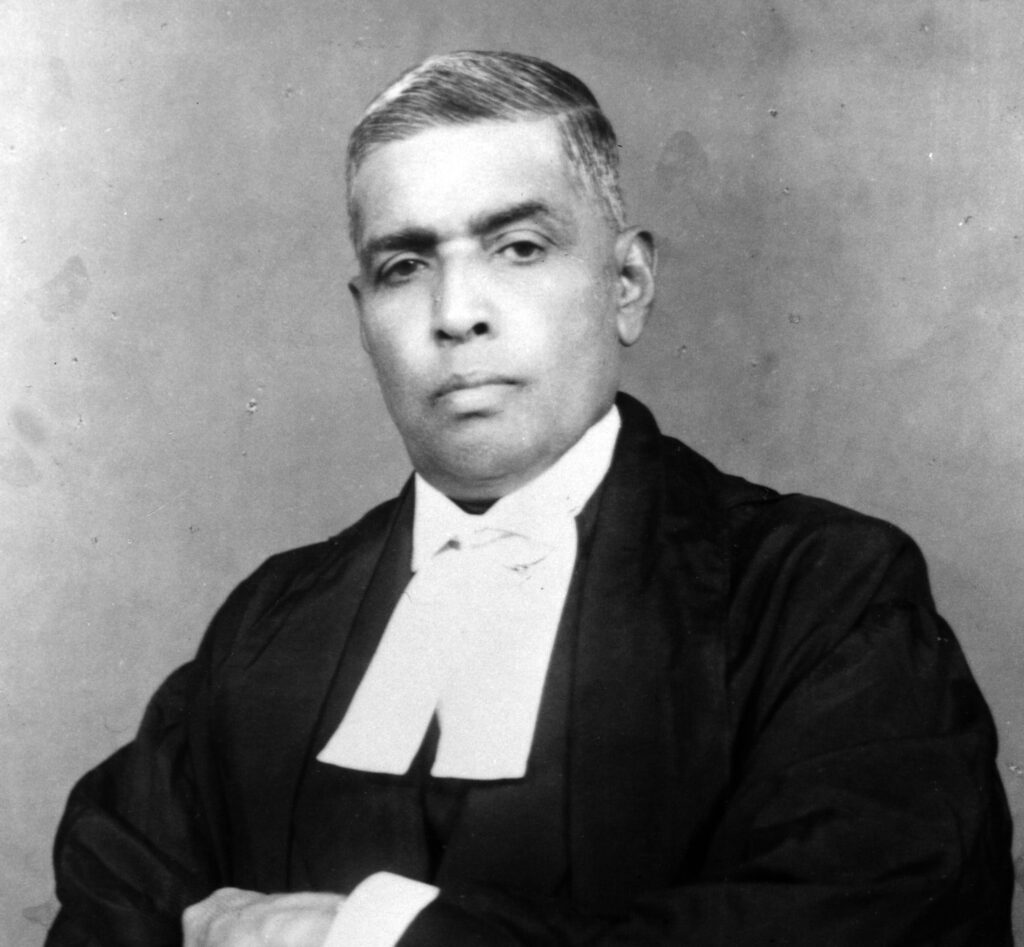
Justice Radha Binod Pal—a true judge
Justice Radha Binod Pal remains one of India’s most distinguished jurists. His remarkable journey from a modest village in Bengal to the highest echelons of international law demonstrates the power of scholarship, rational thought, integrity, and intellectual independence. From the outset, his life embodied perseverance and intellectual courage, qualities that would later define his judicial career.
Moreover, Pal’s dissenting judgement at the Tokyo War Crimes Tribunal ensured that his name became part of global legal history. At the same time, his lifelong dedication to justice, legal scholarship, and the rule of law exemplifies a jurist’s virtues and continues to inspire lawyers, judges, academics, and students worldwide. Consequently, his reputation extends far beyond India, resonating most strongly in Japan, where people remember his dissent with admiration and gratitude.
Justice Radha Binod Pal: Early Life and Education
: Justice Radha Binod Pal: The Fearless Dissenter at the Tokyo Tribunal
Radha Binod Pal was born in 1886 in Kushtia, now in Bangladesh. He had a modest childhood. Nevertheless, his intellectual brilliance soon became evident. After completing his early education, he pursued law with determination and eventually earned recognition as a scholar of rare depth. His academic contributions to jurisprudence and constitutional law were so profound, insightful, and truthful that he applied them in his work.
Justice Radha Binod Pal: Career and Judicial Philosophy
Intellectual independence characterized Pal’s career as a judge and scholar. Like many of his contemporaries, he did not buckle under political pressure. Instead, he insisted that law must serve justice, not merely power. As a result, his judgements often reflected a deep commitment to fairness, even when unpopular. Above all, he believed that the legitimacy of law depended on impartiality and moral courage.

Justice Radha Binod Pal: The Tokyo War Crimes Tribunal
Pal’s defining moment came when he served on the International Military Tribunal for the Far East, better known as the Tokyo War Crimes Tribunal. While most judges upheld the prosecution’s case, Pal delivered a powerful dissent. He argued that the tribunal lacked legitimacy because the victorious Allied powers controlled it entirely. He questioned whether justice could be served when only one side stood for trial. As a result, his dissent became a landmark in international legal history.
Importantly, Pal did not condone wartime atrocities; instead, he argued that justice must be impartial.
Importantly, Pal did not condone wartime atrocities; rather, he insisted that justice must be impartial. In his view, punishing only the defeated nations and ignoring the victors’ actions is not an acceptable principle of law. Consequently, his dissent remains a profound reminder that true justice requires courage to challenge prevailing narratives.
Justice Radha Binod Pal: Recognition and Influence
Justice Pal’s dissent was controversial at the time. However, in Japan, his courage earned him lasting respect. Even today, Japanese scholars, policymakers, and citizens honour his memory as a symbol of fairness. In India, however, his contributions receive less recognition, even as legal scholars continue to study his work. His jurisprudence and writings reached a wider audience, and he was awarded India’s Padma Vibhushan and Japan’s Order of the Sacred Treasure. Together, these honours reflect the global impact of his judicial philosophy.
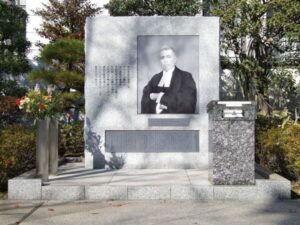
Justice Radha Binod Pal: Legacy in Legal Scholarship
Beyond the Tokyo Tribunal, Pal spent decades in teaching, writing, and judging. Through his scholarship, he emphasized rational analysis and intellectual independence. Moreover, his writings continue to motivate law students, reminding them that legal reasoning must be grounded in justice rather than expediency. In this sense, his legacy extends beyond the dissenting judgment. Ultimately, he stands as a model of judicial integrity.
Lessons for Today
Justice Pal’s life offers enduring lessons. First, it shows that pursuing justice often necessitates standing alone with courage. Second, it shows that law must remain independent of political power to serve society. Third, it reminds us that dissent, though uncomfortable, is essential for progress. Therefore, his example continues to resonate in contemporary debates about international law, human rights, and judicial independence.
Conclusion
Today, Justice Radha Binod Pal stands for judicial courage and principled reasoning. His life reminds us that pursuing justice requires courage, even if it means standing alone. For this reason, his dissent at the Tokyo Tribunal remains one of the most significant contributions to international law. Ultimately, Pal’s legacy is not merely about a single judgement; it is about the enduring power of integrity, scholarship, and moral courage in the face of overwhelming pressure.
Justice Radhabinod Pal and the Tokyo Tribunal | The National WWII Museum | New Orleans: Justice Radha Binod Pal: The Fearless Dissenter at the Tokyo Tribunal
NB: The Kolkata High Court is at Radha Binod Pal Sarani.
REFERENCES:
1) WIKIPEDIA
2)
: Justice Radha Binod Pal: The Fearless Dissenter at the Tokyo Tribunal
Read more: Justice Radha Binod Pal: The Fearless Dissenter at the Tokyo Tribunal