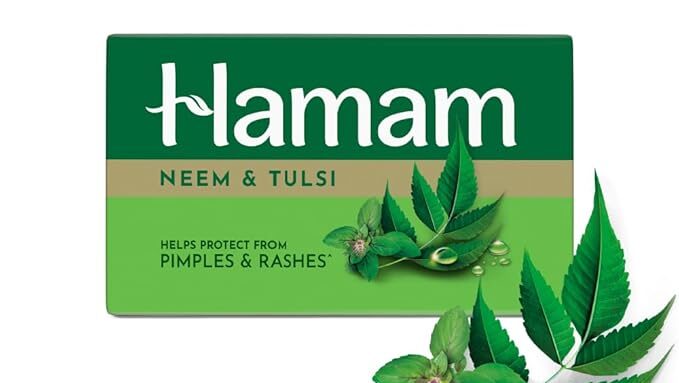
The Indian soap industry has played a unique role since the Raj. Soap manufacturing started with a spirit of Swadeshi, and over time it transformed into an industry. During the British period, it produced many brands of soap using only indigenous raw materials. Soap manufacturing in India is now well organized and at par with international standards. An elaborate study on the soap industry, its history, its contribution to the economy of the country, and its problems will be presented in this article.
Owing to increasing awareness of personal hygiene, especially following the COVID-19 pandemic, the Indian soap market is witnessing robust growth, leading to rising demand for soaps. Rising urbanization and changing lifestyles also contributed significantly to this growth, as consumers prioritized skincare and health issues. Needless to say, the soap industry in India is one of the country’s oldest but is in one of the most dynamic fast-moving consumer goods (FMCG) sectors. From traditional soaps to premium beauty bars and medicated products, the Indian soap market has not only diversified but evolved significantly over the decades.
Soap Industry in Pre-Independent India
The Indian soap industry dates back to the late 19th century, when the first manufacturing units were established in pre-independent India by industrialists Tata and Godrej. Indigenous soap production began in Bengal too. The King of Mysore also set up a production plant with the renowned engineer Visvesvaraya.
Initially, soap was considered a luxury item, affordable only to the upper class. Over time, domestic manufacturers and multinational companies introduced affordable products, making soap accessible to households across the country.
Key Drivers of Growth In The Soap Market
One of the key drivers of growth in the soap manufacturing companies was the expanding market and the expanding middle-class population in India. A recent study from 1995 and 2021 revealed the middle class as the fastest-growing significant component of the Indian population in both percentage and absolute terms, increasing at 6.3% per year and totaling 338 million people. This accounts for 31 per cent of the population and is projected to reach 38 per cent by 2031 and 60 per cent by 2047. The country is experiencing rapid economic growth, and a significant segment of the population is transitioning into the middle class.

As consumers’ income levels rise, there is a willingness to invest in premium and branded soap products, thereby driving demand for a variety of soap types, including beauty, medicated, and organic soaps. Through expanded retail channels, including the increasing rise of supermarkets, hypermarkets, and e-commerce platforms, the growing middle class has increased access to a wide range of soap options.
Innovation In The Soap Manufacturing Industry
Growing innovation among key players is a significant driver of the Indian soap market, as brands continually strive to meet consumers’ evolving needs and preferences. Major soap manufacturing industries are investing heavily in research and development to create new, unique products that stand out in the market. This includes innovations in ingredients, packaging, and product formulations. There has been a heavy investment in R&D. For example, many companies are introducing soaps made with organic, natural, and eco-friendly ingredients, tapping into the rising demand for sustainable, health-conscious personal care products. Also, brands are creating soaps with specific benefits, such as anti-aging, moisturizing, skin-brightening, and antibacterial properties, to cater to diverse consumer needs.
Soaps for sensitive skin, baby soaps, or soaps enriched with herbal extracts are much in demand now. Besides, packaging innovations, like travel-friendly packaging, are gaining popularity. Many companies are offering premium, luxury, and handmade soap variants to attract middle-and high-income consumers.
Role of Social Media and Health Campaigns
Social media and health campaigns have played a significant role in educating consumers about the benefits of personal hygiene and skincare. As more people become aware of the importance of using the right products for skin health, demand for quality soaps continues to rise, driving market expansion across urban and rural areas alike.
Fluctuating raw material prices pose a significant threat to the Indian soap market. The cost of essential ingredients such as oils (e.g., palm and coconut oil), fragrances, and surfactants can vary with changes in global commodity prices and environmental factors. This price is driven by the availability of raw materials at a steady price.
A slight fluctuation in price and availability of raw materials
A slight fluctuation in price and availability of raw materials can directly impact soap production costs, making it difficult for manufacturers to maintain consistent pricing. For example, palm oil, a key raw material in soap production, is subject to price volatility based on crop yields, geopolitical factors, and international trade policies.
Manufacturers feel the impact of raw material price volatility, which is further compounded by global supply chain challenges, such as transportation delays or shortages, which can lead to supply constraints. This unpredictability in costs makes it challenging for soap manufacturers to plan their production and pricing strategies effectively. To mitigate this challenge, companies are exploring alternative sourcing strategies, improving operational efficiencies, and investing in sustainable sourcing practices.
Competition in the Indian soap market
Intense competition among players in the Indian soap market is a major challenge, especially as the market continues to grow. The soap industry in India has numerous local and international brands vying for consumer attention across various price points and product segments. Established players like Hindustan Unilever (Lifebuoy, Lux) and Procter & Gamble (Ariel, Safeguard) dominate the market. Still, there is also a surge of smaller, regional, and new entrants offering innovative and niche products. This fierce competition puts pressure on both large and small manufacturers to constantly innovate, differentiate their products, and improve their value, much to the benefit of the consumers.
As consumers become more discerning about quality, fragrance, and skin benefits, brands need to continuously update their offerings, which increases the cost of R&D and marketing. Also, price wars are common, especially in the mass-market segment, which can erode profit margins and make it difficult for companies to maintain sustainable growth. To stay competitive, companies invest in aggressive marketing campaigns, promotions, and loyalty programs, which increase their operational costs. This intense rivalry also leads to a high responsiveness to changing consumer preferences and trends. The need to differentiate through pricing, quality, and brand reputation remains a significant challenge in the competitive landscape.
Surge In Demand For Organic Soaps
The surging demand for organic soaps is a prominent trend shaping the Indian soap market. As consumers become more health-conscious and environmentally aware, there is a growing preference for natural and organic personal care products, including soaps. Organic soaps, made from plant-based ingredients and free of harmful chemicals, are considered a safer, healthier option. This trend is particularly popular among consumers with sensitive skin, as well as those concerned about long-term exposure to synthetic chemicals in beauty and hygiene products. A larger global movement toward sustainability and eco-consciousness also drives the rise in demand for organic soaps.
Rise in Demand for Premium-Quality Soaps.
The demand for premium and specialty soaps is increasing. These premium soaps are often marketed with superior ingredients, such as natural extracts, essential oils, and exotic fragrances, offering enhanced skin benefits like moisturizing, anti-aging, and skin healing. This segment caters to consumers willing to invest more in premium products that offer a more indulgent and personalized experience. Specialty soaps, such as medicated, herbal, or therapeutic variants, are also gaining popularity.
Product Type Insights
Bath soap dominated the Indian soap market due to its widespread use, affordability, and availability. As the most common personal care product, bath soaps are essential in daily hygiene routines, particularly in urban and rural areas. Their versatility, ranging from regular to specialty options such as moisturizing or antibacterial soaps, appeals to a broad consumer base.
Regional Insights
The North region dominated the Indian soap market, driven by higher urbanization, rising disposable incomes, and growing consumer awareness of personal hygiene. Key cities like Delhi, Chandigarh, and Lucknow contribute significantly to soap consumption, thanks to a growing middle class and exposure to diverse product offerings. The region’s diverse demographic, including a mix of rural and urban populations, has led to strong demand for both affordable mass-market soaps and premium, specialized products. Retail expansion, along with online sales, has further fuelled the growth of the soap market in North India.
Key Market Players In the Soap Industry
- Godrej Consumer Products Limited
- Hindustan Unilever Limited
- Procter & Gamble Hygiene & Health Care
- ITC Limited
- Himalaya Wellness Company
- Wipro Enterprises Private Limited
- Reckitt Benckiser (India) Limited
- Jyothi Laboratories Ltd
- Patanjali Ayurved Limited
Soap Manufacturing Process
Soap manufacturing generally involves the following steps:
- Selection of raw materials such as vegetable oils or animal fats.
- Saponification, where oils react with alkali to produce soap.
- Addition of fragrances, colors, moisturizers, and active ingredients.
- Mixing and refining.
- Molding and cutting.
- Drying and curing.
- Packaging and distribution.
Modern manufacturing facilities use automated production lines to ensure consistency, quality, and efficiency.
Distribution Channels
Soap products reach consumers through multiple channels, including:
- Traditional retail stores
- Supermarkets and hypermarkets
- Pharmacies
- Wholesale distributors
- E-commerce platforms
- Direct-to-consumer websites
The rapid growth of online shopping has enabled brands to reach customers in remote locations while offering a wider product selection.
.
Opportunities
The Indian soap industry has significant opportunities for future growth:
- Expanding rural markets
- Export opportunities
- Rising demand for premium skincare products
- Growth of herbal and Ayurvedic products
- Digital marketing and online retail expansion
- Sustainable manufacturing practices
- Product innovation for specific skin types
After the COVID-19 pandemic, consumers are now more conscious of maintaining proper hygiene, both at home and in public spaces, leading to a surge in soap consumption. Increased awareness of hand hygiene is boosting demand for soaps, particularly antibacterial and antiseptic varieties for sensitive or dry skin.
Small and medium enterprises also have opportunities to establish niche brands focusing on organic, handmade, and environmentally friendly soaps.
Conclusion
The Indian soap industry has transformed from a basic hygiene market into a diverse and innovation-driven sector. Increasing consumer awareness, technological advancements, and changing lifestyles continue to create new opportunities for manufacturers. As demand for natural, premium, and sustainable products grows, companies that focus on quality, innovation, and environmental responsibility will be well-positioned for long-term success. With its vast consumer base and evolving preferences, India’s soap industry is expected to remain an important contributor to the country’s FMCG sector and economic growth for years to come.
Reference: https://www.researchandmarkets.com/