Importance of the FIFA World Cup
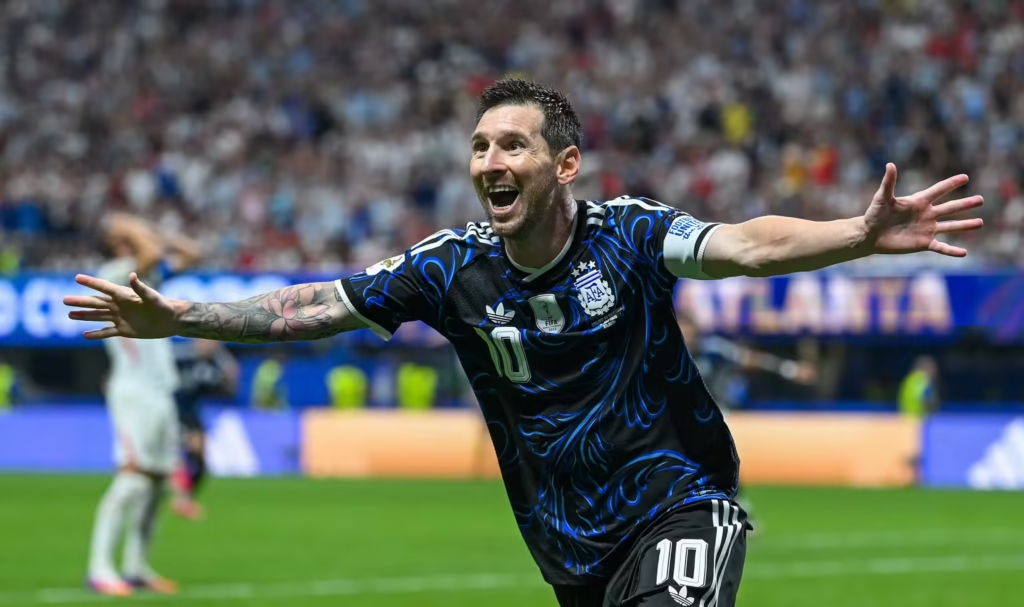
The FIFA World Cup is the world’s biggest football tournament, watched by billions. This global sporting event combines national pride, unforgettable moments, and major economic impact. The tournament is the second-biggest sporting event after the Olympic Games. The history of the FIFA World Cup is replete with memorable matches and legendary players. This event also has a global impact.
A Brief History of the FIFA World Cup

Since 1930, the FIFA World Cup has grown from a small competition and turned into a global phenomenon. Iconic moments—Pelé’s rise, Maradona’s “Hand of God,” and Zidane’s final-match heroics—have indeed defined generations. The tournament’s legacy shapes football culture and develops and inspires new talent worldwide.
Millions of fans from different countries watch every match and cheer for their favourite teams. The FIFA World Cup is a quadrennial event that brings together the best football-playing nations to compete for the most prestigious trophy.
The last World Cup had 32 participants, and in 2026 it will increase to 48. The increase is due to more nations from Asia and Africa that were previously underrepresented.
Expansion and What’s New for 2026
The number of World Cup participants expanded from 32 to 48 in 2026. The expansion aims to give more nations exposure, especially in underrepresented regions in Asia and Africa.
Knockout Stage
The knockout stage includes the round of 16, quarterfinals, semifinals, and the final. The losing team is eliminated, while the winner moves up to the next round.
On-Field Drama: Tactics and Star Players
Tactics change and evolve with each edition of the game, shaping match outcomes. Stars like Lionel Messi and emerging talents from Africa and Asia usually dominate the headlines, but underdog teams do pull off surprising upsets.
Economic Impact and Hosting Challenges
Hosting the World Cup boosts tourism, forces infrastructure investment, and draws international attention. Cities develop, and so does the economy.
Cultural Significance and Fan Experience
The World Cup creates a shared cultural experience, which ranges from fan zones and national anthems to local street celebrations. Social media becomes active, amplifying fan rituals and turning matches into global conversations that connect various diasporas and new fan communities.
Technology and Fair Play
There is increased reliance on technology such as VAR (Video Assistant Referee) and goal-line systems, which have reduced errors, though debates about implementation continue. The use of technology enables one to decipher any player’s performance on the field and thereby take corrective measures, even going to the point of changing tactics.
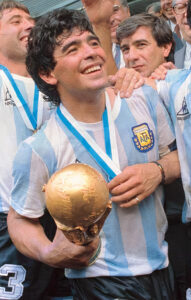
Pelé is the only player to win three FIFA World Cup titles and is considered one of the greatest footballers of all time. Diego Maradona led Argentina to World Cup glory in 1986 with his incredible skills and unforgettable performances. Lionel Messi fulfilled his lifelong dream by winning the FIFA World Cup, adding another remarkable achievement to his legendary career. Although Cristiano Ronaldo has achieved many football records, winning the FIFA World Cup remains one of the biggest goals of his international career.

Sustainability and Future Directions
Each tournament requires in-depth planning aligned with modern thinking, such as greener stadiums with carbon-reduction measures and community-focused priorities.
Memorable Moments That Define the Cup
The World Cup thrives on narratives: historic comebacks, penalty shootouts, and breakout performances become part of football folklore. These moments build emotional connections that last beyond four years. A single goal can change the fate of an entire nation during the tournament.
Brazil is the most successful team in FIFA World Cup history with five championship titles. The country is famous for producing legendary football players. Germany and Italy have each won the World Cup four times and are known for their strong football traditions. Argentina and France are among the modern football giants that have won multiple FIFA World Cup titles with world-class performances.
Why Is the FIFA World Cup So Popular?
Fans love the FIFA World Cup because it brings together diverse cultures, delivers exciting matches, and showcases world-class players.
Some reasons for its popularity include:
* High-quality football matches
* Passionate supporters from every country
* Famous football stars
* Dramatic knockout games
* Memorable goals and celebrations
Conclusion: The World Cup’s Enduring Power
The FIFA World Cup remains more than a competition; it’s a cultural event that blends sport, identity, and global conversation. With expansion, technological advances, and a growing global talent pool, the World Cup’s future looks broader. The FIFA World Cup is much more than a football tournament. It is a celebration of passion, teamwork, and national pride. Every edition creates unforgettable memories for players and fans alike. Whether you support Brazil, Argentina, Germany, France, or any other nation, the FIFA World Cup unites people through the love of football.